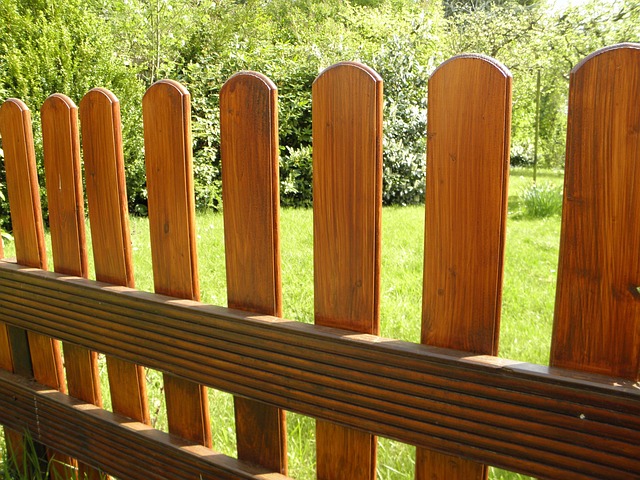
In the face of relentless coastal conditions, durable wooden fencing emerges as a resilient and aesthetically pleasing solution. This article delves into the intricacies of selecting and maintaining robust wood fences designed to withstand the unique challenges of coastal environments. We explore why certain wood species are ideal for these settings, offer practical installation tips tailored to coastal areas, and provide maintenance strategies to ensure longevity. Beyond functionality, we uncover the environmental advantages and enhanced curb appeal that durable wooden fencing brings to coastal landscapes.
- Why Durable Wood Fences for Coastlines?
- Choosing the Right Wood Species
- Installation Considerations for Coastal Conditions
- Maintenance Tips for Longevity
- Environmental Benefits and Aesthetics
Why Durable Wood Fences for Coastlines?
Coastal areas present unique challenges when it comes to fencing due to their harsh, often salty environments. Traditional wooden fences may not withstand the constant exposure to wind, rain, and salt air, leading to frequent replacement and maintenance. However, investing in durable wood fences specifically designed for coastlines offers a long-lasting and aesthetically pleasing solution.
These specialized fences are crafted from rot-resistant and pressure-treated woods, ensuring they can endure the demanding coastal climate. By choosing the right materials and construction methods, these fences can provide security and privacy while withstanding extreme weather conditions, salt corrosion, and potential beachside moisture levels.
Choosing the Right Wood Species
When selecting wood for coastal fencing, understanding the environment is key. Saltwater and high humidity can accelerate wood decay, so choosing a durable species is essential. Hardwoods like redwood, cedar, and teak are excellent choices due to their natural resistance to rot and insects. These woods also have a longer lifespan compared to softer alternatives.
Considered as some of the most robust options, these hardwoods possess unique oils that repel water and prevent moisture absorption. While they may come at a higher initial cost, their durability translates into long-term savings by reducing replacement needs. Additionally, many species are sustainably harvested, making them an environmentally friendly choice for coastal fencing projects.
Installation Considerations for Coastal Conditions
When installing durable wooden fencing in coastal areas, several unique considerations come into play due to the region’s harsh marine environment. One primary concern is the impact of salt water and salty air, which can accelerate wood decay and corrosion. Therefore, it’s crucial to choose treated or naturally resilient wood species like cedar, redwood, or tropical hardwoods known for their resistance to moisture and fungi. Proper site preparation is also essential; ensuring adequate drainage, installing a waterproof barrier, and elevating the fence foundation above potential flood levels can significantly enhance its longevity.
Additionally, coastal conditions often present challenges related to wind and storms. The force of high winds and waves can cause significant stress on fences, requiring robust post-installation methods that secure the fence firmly to concrete or other sturdy anchors. Regular maintenance, including regular cleaning and reapplication of protective coatings or stains, is vital to safeguard against environmental damage, ensuring the fencing remains functional and aesthetically pleasing for years to come.
Maintenance Tips for Longevity
Regular cleaning and inspection are key to maintaining your wooden fence in coastal areas. Salt air and moisture can accelerate wood decay, so a bi-annual deep clean is recommended. Use a soft brush or garden hose to remove any salt deposits or debris accumulated on the fence. Apply a fresh coat of water-repellent sealer every 1-2 years to protect against weather damage. Keep an eye out for signs of rot, mold, or pest infestation, addressing them promptly with appropriate treatments.
Consider power washing for more thorough cleaning, but be gentle to avoid damaging the wood. Avoid using harsh chemicals that could strip away the protective finish. Instead, opt for natural solutions like a mixture of mild soap and water. Regular maintenance will ensure your durable wooden fence not only looks its best but also lasts longer in challenging coastal conditions.
Environmental Benefits and Aesthetics
Durable wooden fencing offers more than just functional benefits for coastal areas; it also brings significant environmental advantages and aesthetic enhancements. Firstly, wood is a renewable resource, making it an eco-friendly choice that reduces carbon footprints compared to synthetic alternatives. Properly sourced and maintained wooden fences contribute to sustainable land management practices, as they can be reused or recycled at the end of their useful life.
Aesthetically, wooden fencing adds warmth and natural beauty to coastal landscapes. Unlike cold, sterile materials, wood blends seamlessly with the surrounding environment, complementing both natural beaches and man-made structures. The versatility of wood allows for creative designs that enhance property value while providing privacy and security. Its organic textures and hues create a welcoming atmosphere, making outdoor spaces more enjoyable and inviting for residents and visitors alike.